
How to Start a Dissertation: A Supervisor Recommended 14-Day Roadmap
Oct 06, 2026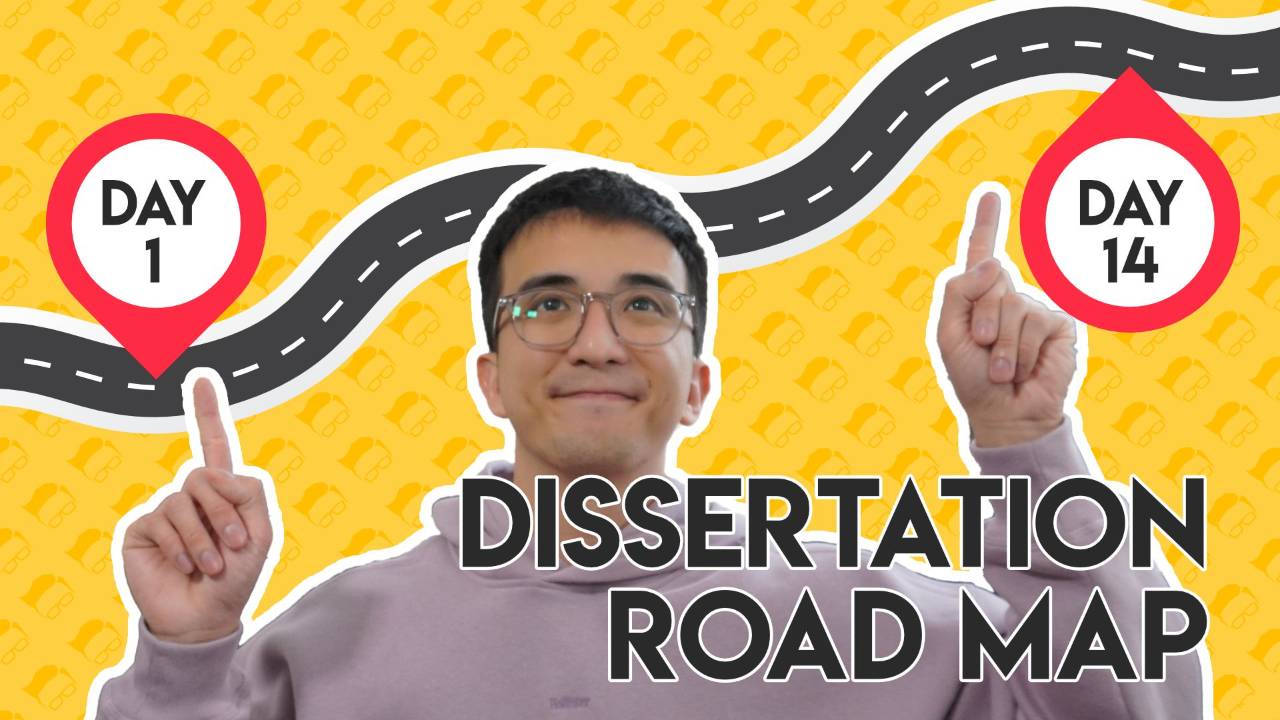
A strong dissertation start begins with understanding the module, developing a realistic research direction and using supervision properly. Your first 14 days should create clarity, direction and momentum rather than trying to design a perfect dissertation.
How Should You Understand The Dissertation Module?
Most UK dissertation modules are worth 60 credits, compared to the standard 20-credit taught module. This reflects the workload, independence and responsibility involved.
You are managing a long-term research project with multiple academic milestones, including proposals, ethics applications, data collection, analysis and eventually a dissertation that can reach 10,000 to 25,000 words depending on the programme.
Read the module handbook properly and actively look for:
- marking rubrics
- supervision expectations
- ethics requirements
- submission rules
- deadlines
The dissertation is also much less structured than taught modules. Workload fluctuates throughout the year, particularly around proposal writing, ethics approval, data collection, analysis and final writing.
Research rarely goes perfectly. Ethics delays, recruitment problems, analysis problems and data collection issues happen. Build time buffers into your project from the beginning.
How Do You Develop A Dissertation Research Idea?
A strong research idea usually develops gradually through exploration. Start with your own past learning, such as modules you performed well in, topics you enjoyed reading about, workplace issues you have noticed or areas connected to your future career goals.
Exploratory reading is important, and literature reviews are a useful place to start. They give you an overview of what has already been researched, common themes, recurring limitations and possible research gaps.
Avoid constantly switching research ideas. Every complete change of topic effectively restarts the research process.
Existing research is not a problem. Your dissertation does not need to reinvent an entire field. It usually needs to explore a smaller angle within an existing conversation.
AI can help generate ideas or suggest areas of literature, but research development should not be compressed into one prompt. Proposals can look polished while later collapsing because the literature is weak, the research gap is unclear or the problem was never meaningful.
How Should You Use Dissertation Supervision?
Supervision is designed for guidance. A good supervisor helps you test ideas, challenge assumptions, identify weaknesses, refine direction and think more critically about your research.
Read your university's supervision guidance or supervision charter early. This should explain how supervision works, how many meetings are available, whether draft feedback is allowed and what the supervisor's role actually is.
Your supervisor is not there to give you a dissertation topic, tell you every step to take or proofread your work line by line. This is your dissertation, your assessment and your responsibility.
Take ownership of supervision by:
- initiating meetings
- preparing agendas
- bringing questions
- updating supervisors regularly
Do not wait until problems are deeply embedded in your project before asking for help. Even short check-in meetings can help maintain momentum and accountability.
What Should You Do In The First 14 Days Of A Dissertation?
Your goal in the first two weeks is to build clarity, direction and momentum rather than design a perfect dissertation.
Day 1 — Understand the module
Read the handbook properly. Identify deadlines, ethics requirements, marking criteria, supervision expectations and word count requirements.
Days 2 to 4 — Explore research directions
Brainstorm broad research areas based on modules you enjoyed, workplace issues, career interests or future academic goals. By the end of Day 4, you should have 2–3 possible research directions.
Days 5 to 9 — Explore the literature
Read literature reviews and recent papers related to your ideas. Focus on what has already been researched, recurring themes and possible gaps. By the end of Day 9, narrow your focus to 1–2 realistic directions.
Days 10 to 12 — Refine your direction
Choose one main direction and begin clarifying the research problem, context and possible scope. By the end of Day 12, you should be able to clearly explain your research direction.
Days 13 to 14 — Prepare for supervision
Prepare a short summary of your idea, key papers you have read and questions you want to discuss. Use supervision proactively from the beginning.
By the end of Day 14, you should feel prepared to properly begin developing the dissertation.
You can download the 14-day dissertation roadmap from the resource hub.
